
How to remove water from lung
Remove 1000cc fluid from the lung | Therapeutic Thoracentesis
How to Remove cc of Fluid from the Lung | Therapeutic Thoracentesis Explained
Fluid in the lungs, also called pleural effusion, is a serious medical condition that can affect breathing and lead to other complications. Removing 1000cc (1 liter) of this fluid is typically done through a medical procedure called Therapeutic Thoracentesis. In this article, we’ll explain the causes, procedure, medications, and how to know if the fluid is coming back.
🔍 What Is Pleural Effusion?
Pleural effusion occurs when excess fluid builds up in the pleural space, the area between the lungs and the chest wall. This fluid compresses the lungs and can cause:
- Difficulty breathing
- Chest pain
- Persistent cough
- Fatigue and discomfort
There are two main types of fluid:
- Transudative fluid: Caused by pressure imbalance (usually heart failure or liver/kidney disease).
- Exudative fluid: Caused by inflammation or infection (like pneumonia, cancer, tuberculosis).
🚨 What Causes Water in the Lung (Pleural Effusion)?
Here are the most common medical reasons behind fluid in the lungs:
🔹 1. Congestive Heart Failure (CHF)
- The most common cause.
- Fluid leaks from the blood vessels due to increased pressure.
🔹 2. Lung Infections (Pneumonia, TB)
- Causes inflammation and fluid buildup.
- Often exudative fluid.
🔹 3. Cancer (Lung, Breast, etc.)
- Malignant pleural effusion from tumor invasion.
- May require repeated drainage or permanent solution like pleurodesis.
🔹 4. Liver Cirrhosis (Hepatic Hydrothorax)
-
Poor liver function causes fluid to enter chest cavity through diaphragm.
🔹 5. Kidney Failure
-
Excess body fluid can accumulate in lungs.
🔹 6. Pulmonary Embolism
-
A blood clot in the lungs may lead to inflammation and fluid.
💉 What is Therapeutic Thoracentesis?
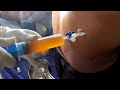
Therapeutic thoracentesis is a minor, but precise medical procedure used to remove fluid from the pleural space. It is usually done in a hospital or specialized clinic.
⚙️ Procedure Overview:
- You sit on the edge of the bed, leaning forward.
- Local anesthesia is applied to the back.
- A thin needle or catheter is inserted into the pleural space.
- Around 1000cc or more fluid is slowly drained.
- The fluid may be sent for laboratory testing.
✅ Is it a major operation?
No, it is considered a minor surgical procedure, but must be done by a trained physician under sterile conditions.
🩺 How Long Does It Take to Remove 1000 cc of Fluid?
- The process usually takes 15–30 minutes.
- Removing fluid too quickly can cause complications like re-expansion pulmonary edema, so it’s done slowly and carefully.
💊 What Medicines Should I Take After Fluid Removal?
Medication depends on the cause of the fluid. Here's a general breakdown:
✅ For Infections:
-
Antibiotics (e.g., Ceftriaxone, Azithromycin, or anti-TB medications if TB is the cause).
✅ For Heart Failure:
- Diuretics like Furosemide (Lasix) to remove excess fluid.
- ACE inhibitors and beta-blockers to manage heart function.
✅ For Cancer:
- Chemotherapy or targeted therapy for underlying cancer.
- Sometimes corticosteroids.
✅ For Liver/Kidney Issues:
- Medicines to improve organ function.
- Salt restriction and diuretics.
✅ Pain Management:
- Paracetamol or mild pain relievers may be given post-procedure.
- ⚠️ Always take medications prescribed by your doctor, as self-medication can be dangerous.
🔁 How Do I Know If Fluid is Coming Back?
After thoracentesis, fluid can reaccumulate, especially if the underlying cause is not resolved. Watch for these signs:
- Shortness of breath returns.
- Chest pain or tightness.
- Fatigue or heaviness in the chest.
- Decreased oxygen saturation (if you use a pulse oximeter).
- Coughing that doesn’t improve.
👉 Follow-up chest X-ray or ultrasound can confirm if fluid is back.
🩻 Diagnostic Tests After Fluid Removal
- Chest X-ray: To monitor lung re-expansion.
- Pleural Fluid Analysis: Detects infection, cancer, or tuberculosis.
- CT Scan: More detailed image of the lungs and pleura.
- Ultrasound: Used to guide the needle and detect reaccumulation.
🚫 Can I Prevent Pleural Effusion?
While you can’t always prevent it, managing the underlying condition is key:
- Control heart and kidney disease with regular medication.
- Treat infections early.
- Avoid smoking to reduce cancer risks.
- Follow dietary restrictions (low salt, fluid restriction if advised).
- Regular medical checkups and imaging tests.
🏥 Is Hospitalization Always Necessary?
- Not always.
- Some thoracentesis can be done outpatient, especially if it’s not severe.
- But hospital stay may be needed if:
- You have a large effusion.
- Infection is present.
- Cancer-related fluid needs management.
- You feel very weak or oxygen levels are low.
⚠️ Causes of Fluid in the Lungs
The reasons behind fluid buildup can vary. In many cases, heart failure is the main culprit. When the heart fails to pump efficiently, fluid backs up into the lungs. Infections, such as pneumonia or tuberculosis, are also common causes. These conditions lead to inflammation that increases fluid production. Other serious causes include cancers like lung or breast cancer, kidney failure, liver cirrhosis, and pulmonary embolism. Each of these conditions affects the body’s fluid balance, causing accumulation in the pleural cavity.
❓FAQ Section
Q: Is thoracentesis a painful or risky procedure?
A: It’s generally not painful due to local anesthesia and is considered low-risk. Slight discomfort at the needle site is common.
Q: Can pleural effusion go away on its own?
A: Small effusions might resolve without intervention, but large or symptomatic effusions usually need medical treatment.
Q: How many times can thoracentesis be done?
A: It can be repeated if necessary, but recurrent cases may require long-term solutions like pleurodesis or an indwelling catheter.
Q: Is hospitalization required for every case?
A: Not always. Many patients undergo thoracentesis on an outpatient basis. However, complex or infected effusions may need hospitalization.
Q: Can diet affect fluid recurrence?
A: Yes. In cases related to heart or liver disease, a low-salt diet can help prevent fluid buildup. Always follow your doctor’s dietary advice.
Medication after thoracentesis depends on the underlying condition. If the fluid is caused by an infection such as pneumonia, antibiotics like ceftriaxone or azithromycin may be prescribed. In case of tuberculosis, anti-TB medication is mandatory. When the cause is heart failure, doctors usually recommend diuretics such as furosemide to remove excess fluid from the body, alongside medications to strengthen heart function.
For cancer-related pleural effusion, chemotherapy or targeted therapy is used, along with corticosteroids if inflammation is present. If the root cause is liver cirrhosis or kidney failure, treatment is focused on improving organ function and preventing further fluid accumulation. Pain relievers like paracetamol may be recommended for chest discomfort after the procedure, but it is important to avoid self-medication and follow only the prescriptions given by a healthcare provider.
After undergoing thoracentesis, light rest is crucial for at least 24–48 hours. The patient should avoid heavy lifting, strenuous exercise, or excessive talking for a couple of days. Breathing exercises may be encouraged to help the lung fully expand again. Patients are also advised to maintain a semi-upright posture while resting, especially within the first 24 hours, to help lung expansion and drainage.
Doctors usually recommend a chest X-ray within a few hours after the procedure to confirm proper lung re-expansion and to rule out complications like pneumothorax (air leak). In some cases, an ultrasound or CT scan may be scheduled during follow-up visits. If the fluid is suspected to reaccumulate, regular monitoring of breathing patterns, oxygen levels, and physical symptoms is advised.
Additionally, if cancer or tuberculosis is detected, the patient will be referred to a specialist for a detailed treatment plan. People with recurrent pleural effusions may be considered for procedures like pleurodesis, which helps prevent fluid from coming back.
After fluid removal, one of the main concerns is recurrence. Patients should stay alert to signs such as shortness of breath, chest tightness, cough, or a feeling of heaviness in the chest. These symptoms often mirror the original complaints and may signal that fluid is building up again. A fall in oxygen saturation, if checked using a pulse oximeter, is another sign that the lung may be compromised.
If you experience any of these symptoms again, consult your doctor immediately and request a follow-up chest X-ray or ultrasound. Detecting recurrence early allows timely intervention and prevents further complications.
Managing the root cause of pleural effusion is key to avoiding future problems. Patients with heart disease, liver issues, or kidney dysfunction should strictly adhere to their doctor’s treatment plan and lifestyle advice. Reducing salt intake, avoiding smoking, staying hydrated, and attending all follow-up visits are essential. In infectious causes, completing the full course of antibiotics or anti-TB drugs is absolutely necessary.
Removing 1000cc of fluid from the lungs through therapeutic thoracentesis is a safe and effective method to restore normal breathing and comfort. However, the most important part of the recovery lies in diagnosing and managing the root cause. Whether the fluid is due to heart failure, infection, cancer, or another medical issue, treatment doesn’t end after the drainage—it continues through medication, follow-up care, and lifestyle adjustments.
Always trust your doctor’s advice, monitor your body, and never ignore returning symptoms. With proper medical guidance, patients can fully recover and lead a healthier life, free from the dangers of recurrent pleural effusion.
🎯 Final Thoughts
Removing 1000cc of fluid from the lung through therapeutic thoracentesis is a safe and effective way to restore breathing and relieve discomfort. But the key lies in finding the real cause, taking proper medications, and following up regularly.
Ignoring pleural effusion can lead to serious complications. So if you ever feel shortness of breath, don’t delay medical attention.
📌 FAQ
Q: Is pleural effusion dangerous?
A: Yes, if untreated, it can impair breathing and be life-threatening.
Q: How often can thoracentesis be done?
A: It can be done multiple times, but recurrent cases may need a long-term solution like pleurodesis.
Q: Can it go away on its own?










No comments:
If you have any drought, please let me know. I have attached so many health tips and bodybuilding tips for you which is really informative. So, you are requested to visit healthbestfit.com and share my website including all post as more as possible.